

About Nigel Thomas
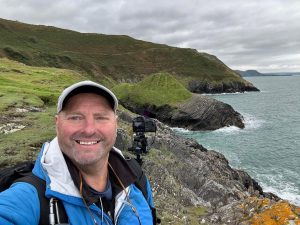
Nigel Thomas is a dedicated landscape photographer whose passion grew out of a period of profound personal struggle. In 2015, he experienced a severe mental health crisis that led him through some of the most challenging moments of his life. Seeking comfort and a way to heal, he discovered landscape photography in 2018. What began as a simple outlet soon evolved into a deep passion and a powerful form of therapy, helping him navigate and manage his depression and anxiety.
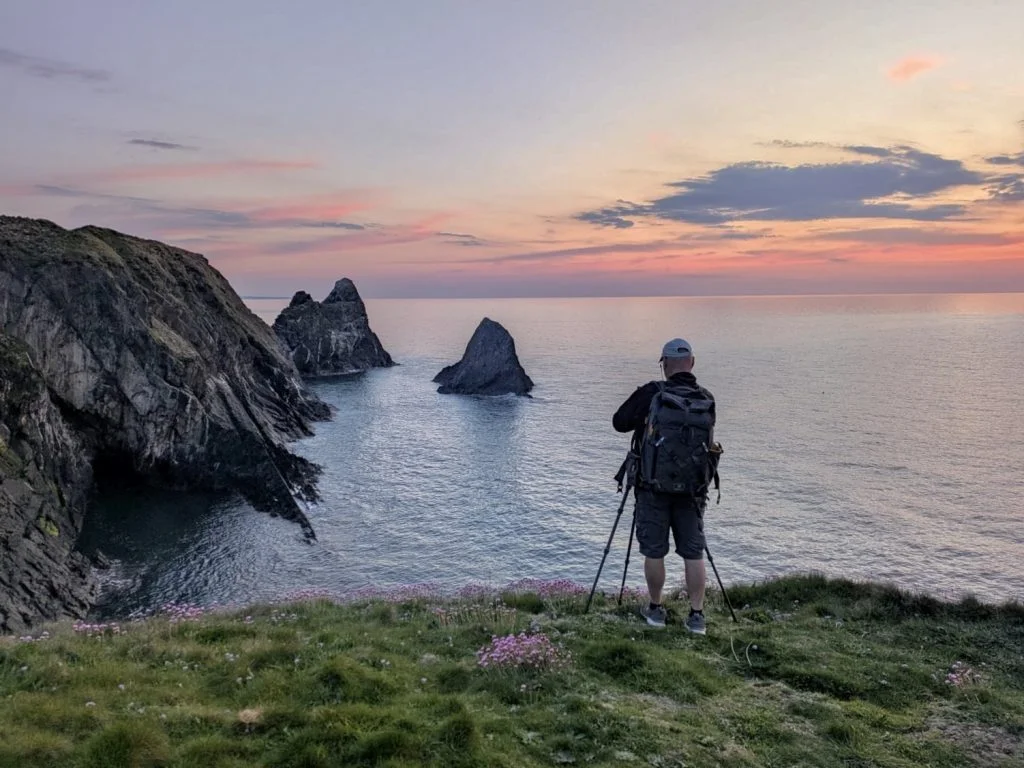
If I look back at how my photography has changed over the years, it is easy to assume that the biggest developments have been technical. Better understanding of exposure, more control over focus, more consistent use of filters, and a more refined printing process. All of those things are true. But they are not the real shift. The real shift has been slower, quieter, almost invisible from the outside. It is the way I now approach time.
The Beginning Was Full of Haste
When I first started photographing landscapes seriously, I was always aware of time. Not in the way I am now – but in a more urgent sense. I felt like I needed to arrive quickly, see quickly, decide quickly, and capture before the moment changed. There was always a slight tension underneath the process, a sense that something might be missed if I didn’t act soon enough. And that feeling influenced everything:
• How I composed
• How I exposed
• How I focused
• How I moved through a scene
Even when I thought I was being careful, I was still working at a pace that belonged more to reaction than reflection. What I didn’t realise at the time was that I wasn’t just rushing my process – I was rushing my perception.
The Moment I Began to Slow Down
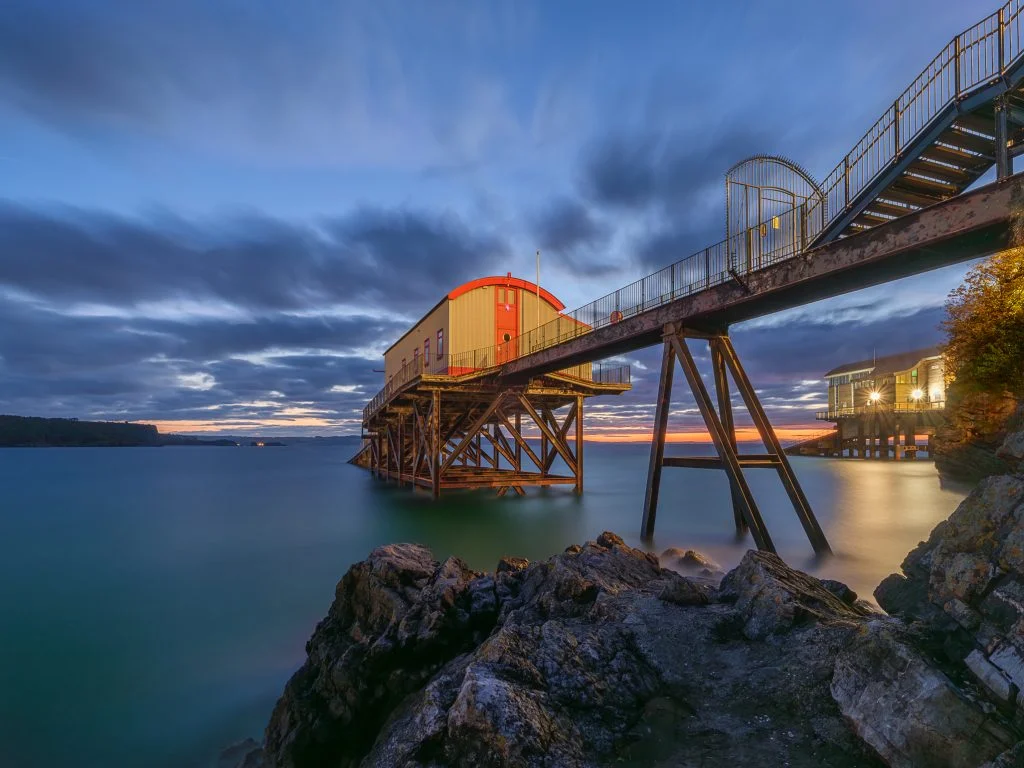
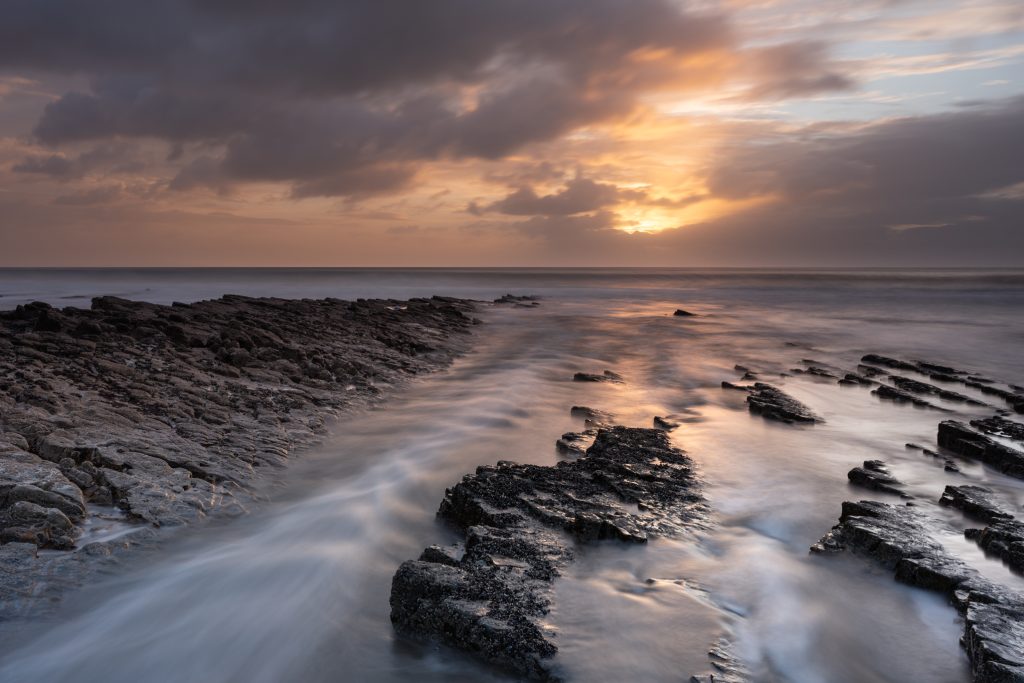
The change didn’t happen all at once, it never does. It came in small adjustments over time. Arriving earlier. Waiting longer. Not taking photographs immediately. Letting scenes unfold instead of trying to capture them at their peak. At first, it felt like I was doing less but slowly I realised I was actually seeing more. More detail, more subtlety, and more connection within the landscape. And something else changed too, my relationship with uncertainty softened. I stopped needing immediate answers and became comfortable not knowing exactly how an image would look straight away. And that quiet shift changed everything.
Slowing Down Is Not Inactivity
Slowing down is often misunderstood. It isn’t about doing less, it’s about being more present. When I slow down in the landscape, I am actively observing:
• How my own emotional response evolves over time
• How light moves across the land
• How atmosphere shapes depth and mood
• How weather subtly alters the scene
There is a lot happening – both externally and internally, and that internal space is where the real photography begins.
The Process Doesn’t End in the Field
What I’ve come to understand over time is that this slower, more mindful approach doesn’t end when I leave the landscape. It continues all the way through my process – especially in how I select and print my work. I no longer rush to process or print images. Instead, I sit with them. I revisit them. I allow time to reveal which photographs truly stay with me – those that carry something deeper than just visual appeal. Only then do I move into the printing stage.
A Slower, More Consistent Approach to Printing
Printing, for me, has become an extension of the same mindset. It’s not rushed, it’s not forced. It’s a considered, consistent process.
Over the past few years, I’ve refined a workflow that allows me to approach printing with confidence and calmness. By keeping things simple and repeatable, I’ve been able to remove much of the uncertainty that can often bring stress and frustration. This consistency means I can achieve the result I want first time, more often than not. And that has real benefits. Of course, it saves money on paper and ink – but more importantly, it removes unnecessary pressure. There’s no second-guessing, no endless reprints, no rising frustration. Just a quiet confidence in the process.
The Role of Materials and Trust
A big part of that consistency has come from using the same materials over time. For nearly four years now, I’ve worked with PermaJet papers, and that familiarity has made a real difference to how I print. The reliability of their papers, combined with their superb generic ICC profiles, has allowed me to keep my workflow simple and efficient. In fact, I’ve never felt the need to request custom profiles. That’s one less step. One less complication. One less thing to think about. And that simplicity matters because when the process becomes smoother, the mind becomes quieter.
The Print as a Moment of Stillness
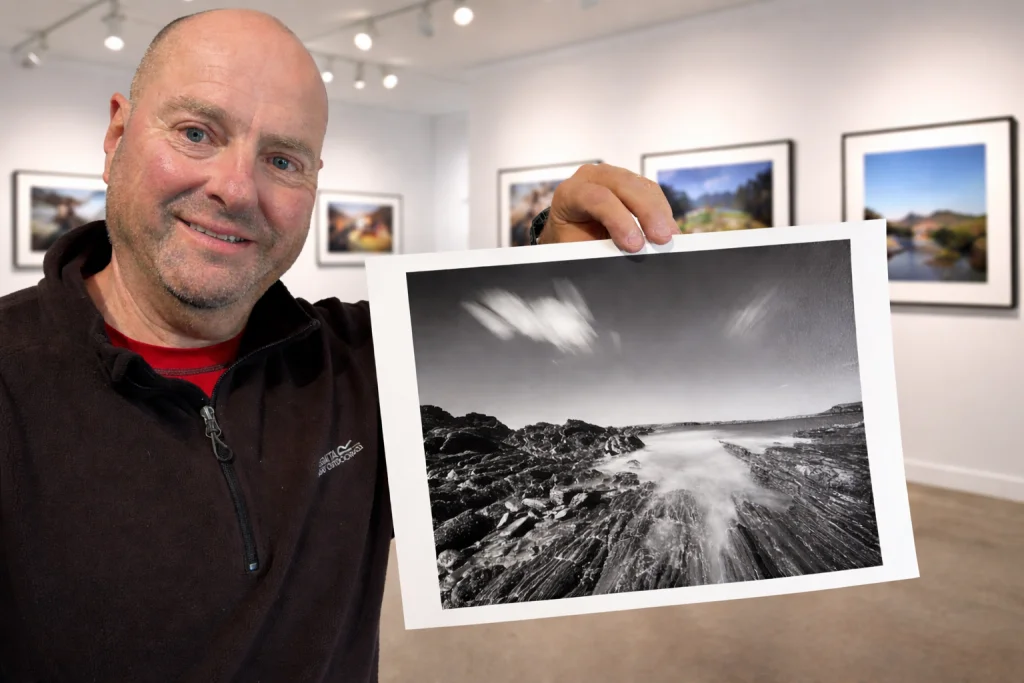
I’ve always believed that a photograph isn’t truly complete until it’s printed. Printing slows me down again, it brings me back into the image in a different way. When I hold a print, I’m not just looking at it – I’m experiencing it. The weight of the paper, the texture beneath my fingers, the way the tones sit within the surface. It becomes something physical, something real and in that moment, time slows again.
Photography and Mental Health
I still struggle with my mental health. There are many days when I cannot leave the house. Days where everything feels heavy and unsettled. But I’ve found something important within this process. If I take the time to open a box of prints… everything changes. Slowly, quietly, those prints take me back to the moment of capture, back to the coast, back to the stillness. Back to the space I felt when I made the image. And often, without even realising it, there’s a small internal smile. A sense of calm replaces the noise.
Photography as Therapy
The full photographic process – from being in the landscape, to slowing down, to selecting images, to printing – has become something much deeper than a creative workflow. It has become my therapy. A way of grounding myself, a way of reconnecting. A way of finding stillness in a world that often feels too fast and I truly believe it can offer something similar to others.
A Final Thought on Slowing Down
If there is one thing I would share, it is this:
Slowing down is not a technique, it is a way of being. It shapes how you see, what you notice, what you value, and ultimately, what you choose to keep. Because when you slow down properly, you stop photographing everything – and start photographing what truly matters.
An Invitation
I offer Coastal Photography Experience Days, as well as in-person Printing Masterclasses, where I share this full process – from capture through to print. If you’d like to know more, please feel free to get in touch: nigetom@btinternet.com.
We invite you to download a copy of Nigel’s book Finding Calm in the Chaos – The Positive Impact of Landscape Photography on My Mental Health for free, or choose to make a donation to Mind charity. We are deeply grateful to Nigel for so generously sharing this powerful and personal work. His story is both honest and inspiring, reflecting the profound impact landscape photography has had on his mental health journey. It beautifully echoes what we see so often in our creative community – that picking up a camera, spending time in nature, and committing images to print can bring a real sense of calm, clarity, and perspective.